Museums in Europe, the USA, and Asia are using RFID technology. RFID tags allow visitors to access additional information about exhibits, allowing them to fully explore the object of interest.
Museums in Europe, the USA and Asia are using RFID technology. With RFID tags, visitors gain access to additional information about the exhibits, allowing them to fully explore the object that interests them.
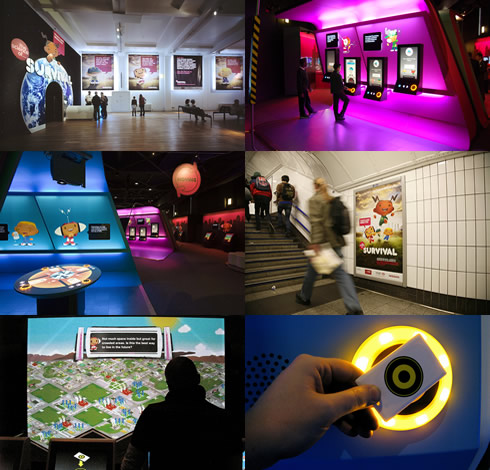
In North America, visitors to onetechnologymuseum are using RFID wristbands with radio-frequency tags, allowing them to create lists of websites on specific topics to browse at home by passing their RFID tag through a RFID reader attached to the exhibits. In order to receive the information of interest in one of two languages, museum visitors enter a personal ID number on the selected website.
At the Danish Museum of Natural History, children receive information about exhibits in various formats. They are given pocket personal computers that allow them to find out additional information. Children use a handheld RFID scanner, directing it to the exhibit's radio tag, and read information in one of three forms - in the form of an encyclopedia article, in the form of a history article, or in the form of a game.
These are just a few examples of how RFID technology helps people use their leisure time more productively.




 RSS Feed